
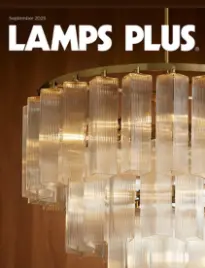
Lamps Plus Catalog Request
Enhancing the atmosphere of a home often starts with the right lighting. While many people browse online, there is a unique satisfaction found in flipping through a physical publication filled with design inspiration. Requesting a catalog from a major retailer provides a tangible way to explore textures, finishes, and styles at a comfortable pace. It allows homeowners to step away from screens and visualize how different fixtures might look in their own living spaces. This traditional approach remains a favorite for interior designers and DIY enthusiasts who appreciate high-quality photography and detailed product descriptions.
The process of selecting home decor is deeply personal. A physical guide serves as a permanent reference point that can be marked, tabbed, and shared during planning sessions. When a household decides to refresh its aesthetic, having a comprehensive resource on hand simplifies the decision-making process. From the glow of a bedside lamp to the grandeur of a dining room chandelier, the variety of options available today is vast. Accessing a dedicated resource for these products ensures that no style or functional upgrade is overlooked during a renovation or a simple room makeover.
The Enduring Appeal of Physical Home Decor Catalogs
In an era dominated by instant notifications and endless scrolling, the physical catalog offers a refreshing change of pace. It provides a curated look at seasonal trends and timeless classics without the distractions of the internet. For those seeking to improve their home lighting, these publications offer more than just pictures; they provide context. Seeing a floor lamp placed next to a specific style of armchair or a pendant light hanging over a kitchen island helps individuals understand scale and proportion. This visual aid is crucial for avoiding common decorating mistakes, such as choosing a fixture that is too small for a large room.
Furthermore, these catalogs often include expert advice on lighting layers. Understanding the difference between ambient, task, and accent lighting is essential for creating a functional home. A well-designed catalog breaks down these concepts, showing how to combine different sources of light to achieve a balanced look. This educational aspect adds significant value, turning a simple product list into a comprehensive design tool. By requesting this resource, homeowners gain access to professional-level insights that can elevate the entire look of their property.
Exploring Diverse Lighting Categories for Every Room
One of the primary advantages of browsing a specialized lighting resource is the sheer breadth of the selection. Every room in a house has different requirements based on its primary function. A kitchen requires bright, focused light for food preparation, while a bedroom benefits from softer, warmer tones that promote relaxation. A comprehensive catalog organizes these needs into logical sections, making it easy to find exactly what is required for a specific project.
- Ceiling Lights: This category includes everything from flush-mount fixtures for low ceilings to elaborate chandeliers that serve as a room’s focal point.
- Wall Lighting: Sconces and picture lights add depth to a room and are perfect for illuminating hallways or highlighting artwork.
- Lamps: Table and floor lamps provide portability and style, allowing for quick updates to a room’s lighting scheme.
- Outdoor Fixtures: Safety and curb appeal are addressed with weather-resistant porch lights, path lighting, and security fixtures.
Beyond the functional aspects, the variety of design styles is impressive. Whether a home features a modern, industrial, coastal, or traditional aesthetic, there are fixtures designed to complement those specific vibes. The catalog showcases how different finishes—such as brushed nickel, oil-rubbed bronze, or polished brass—can change the mood of a space. This level of detail helps consumers make informed choices that align with their existing furniture and architectural details.
The Importance of Energy-Efficient Lighting Solutions
Modern lighting is not just about style; it is also about efficiency. Many contemporary catalogs highlight LED technology and energy-saving fixtures. These options help reduce electricity consumption while providing superior light quality. The transition to LED has opened up new design possibilities, as the small size of the bulbs allows for sleeker, more innovative fixture shapes that were previously impossible with traditional incandescent bulbs. Learning about color temperature and lumen output through a catalog helps shoppers choose bulbs that create the desired atmosphere while being environmentally conscious.
Integrating Smart Home Technology
As homes become more connected, lighting has evolved to include smart features. Many fixtures now offer compatibility with home automation systems, allowing users to control brightness and timing via smartphone apps or voice commands. A detailed catalog often features these advanced options, explaining how they can enhance home security and convenience. For example, setting lights to turn on automatically at sunset or dimming them for a movie night adds a layer of luxury and functionality to the modern living experience.
How to Use a Lighting Catalog for Room Planning
Using a catalog effectively involves more than just looking at the pictures. It requires a strategic approach to room design. Start by measuring the dimensions of the space and the height of the ceilings. This information is vital when selecting the size of a new fixture. Many catalogs provide sizing guides that suggest the ideal diameter for a chandelier based on the width of a dining table or the square footage of a room. Following these professional guidelines ensures that the final installation looks intentional and balanced.
Another useful technique is to create a mood board using cutouts from the catalog. By placing images of different lamps, rugs, and furniture pieces together, it becomes easier to see if the styles clash or harmonize. This hands-on process is often more effective than digital mood boards because the physical textures and colors are more accurately represented on high-quality paper. It also allows for easy comparison between different finishes side-by-side.
Finding Inspiration Beyond Just Lighting
While lighting is the primary focus, many comprehensive home decor catalogs also include furniture, mirrors, and wall art. This holistic approach to design helps homeowners see how lighting interacts with other elements in a room. A large mirror, for example, can be used to reflect light from a nearby window or lamp, making a small room feel much larger. Seeing these items styled together in a professional photograph provides a roadmap for creating a cohesive interior design. The inclusion of decorative accessories like vases and clocks further assists in adding the finishing touches to a space.
The convenience of having all these items in one place cannot be overstated. Instead of visiting multiple stores or websites, a single catalog provides a one-stop-shop for home improvement. This saves time and ensures that the various pieces selected will work well together. The catalog acts as a silent consultant, offering suggestions on how to pair a bold statement piece with more subtle accents to create a sophisticated environment.
Final Steps to Refreshing Your Home Decor
Taking the time to research and plan is the most important part of any home update. By requesting a physical resource, homeowners demonstrate a commitment to quality and thoughtful design. The information found within these pages empowers individuals to make choices that they will be happy with for years to come. Whether the goal is to improve functionality, increase property value, or simply create a more beautiful living environment, the right tools make all the difference. Exploring the latest trends and classic designs through a physical publication is a rewarding experience that brings the vision of a perfect home one step closer to reality.
Selecting the perfect lighting is a journey of discovery. It involves understanding the technical requirements of a space while expressing personal style. With the right resources, this process becomes an enjoyable creative outlet. To begin your next project and explore a world of elegant home solutions, consider a Lamps Plus Catalog Request.