
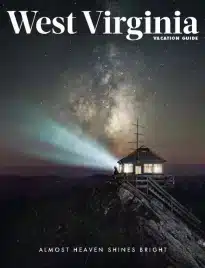
West Virginia Vacation Guide
West Virginia offers a landscape defined by rolling hills, dense forests, and deep river canyons. Known as the Mountain State, this destination provides a wealth of opportunities for those seeking outdoor adventure, historical exploration, and a break from the fast-paced nature of urban life. From the rugged peaks of the highlands to the quiet charm of its valley towns, the region invites exploration at every turn. Travelers often find that the state provides a unique sense of tranquility and excitement, making it a versatile choice for a weekend getaway or an extended exploration of the Wild and Wonderful scenery.
The geographic diversity found within the state borders ensures that every season brings something new to discover. Spring brings a burst of wildflowers and rushing waterfalls, while summer offers ideal conditions for river sports and mountain hiking. Autumn transforms the canopy into a vibrant display of reds and golds, attracting photographers and leaf-peepers from across the country. Even in winter, the high-altitude regions become a hub for skiing and snowshoeing. Understanding the different regions and their specific offerings is the first step in planning a comprehensive visit to this beautiful part of the country.
The Grandeur of the New River Gorge
The centerpiece of the state’s natural attractions is undoubtedly the New River Gorge National Park and Preserve. As one of the newest national parks in the United States, it has gained significant attention for its breathtaking vistas and world-class recreation. The New River itself is among the oldest rivers on the continent, having carved a deep canyon through the Appalachian Mountains over millions of years. This geological history is visible in the towering sandstone cliffs that line the gorge, providing a dramatic backdrop for a variety of activities.
For those who enjoy high-adrenaline sports, the gorge is famous for its white water rafting. The river is divided into sections that cater to different skill levels, from the relatively calm waters of the Upper New to the challenging Class IV and V rapids of the Lower New. Beyond the water, the park features an extensive network of trails. The Endless Wall Trail is a favorite among visitors, offering panoramic views of the river far below from the edge of high cliffs. Rock climbing is another major draw, with thousands of established routes on the hard Nutall sandstone.
The New River Gorge Bridge is an engineering marvel that serves as a focal point for the area. Standing 876 feet above the river, it was once the longest steel span bridge in the world. Visitors can participate in a guided Bridge Walk along the catwalk beneath the road surface, providing a unique perspective on the structure and the valley below. Each October, the bridge becomes the site of a major festival where BASE jumpers and spectators gather to celebrate the engineering and the environment that make this location so special.
Stepping Back in Time in Historic Towns
West Virginia is home to several towns that feel as though they have been preserved in time. These communities offer a glimpse into the industrial and colonial history that shaped the region. Harpers Ferry, located at the confluence of the Potomac and Shenandoah rivers, is perhaps the most famous. This historic town played a pivotal role in the American Civil War and was the site of John Brown’s raid. Today, much of the town is managed by the National Park Service, allowing visitors to walk through restored 19th-century buildings and learn about the events that took place there.
Further south, the town of Lewisburg offers a different kind of historical experience. Consistently ranked as one of the coolest small towns in America, Lewisburg features a vibrant downtown area filled with local galleries, antique shops, and independent restaurants. The town serves as a cultural hub for the Greenbrier Valley, hosting festivals and performances throughout the year. The proximity to the Greenbrier Resort in nearby White Sulphur Springs adds an air of elegance to the region. This luxury resort has hosted presidents and celebrities for decades and is famous for its colorful decor and the massive underground bunker once intended for Congress during the Cold War.
Outdoor Recreation and State Parks
The state park system is a point of pride and provides accessible ways to experience the wilderness. Blackwater Falls State Park is a must-visit destination, named for the amber-colored waters of the Blackwater River. The distinctive tint comes from tannic acid from fallen hemlock and red spruce needles. The falls drop five stories into a rugged canyon, and various boardwalks provide excellent viewing angles for visitors of all ages. During the winter, the park operates one of the longest sledding runs in the East, complete with a magic carpet to take riders back to the top.
Nearby, Canaan Valley Resort State Park sits in a high-altitude bowl that creates a unique microclimate. This area is known for its wetlands and diverse plant life, some of which is more typical of Canadian ecosystems. It is a premier destination for bird watching and hiking during the warmer months, while winter transforms it into a hub for downhill and cross-country skiing. The valley floor remains relatively flat, making it an ideal spot for easy walks and enjoying the surrounding mountain peaks from a distance.
The Majesty of Seneca Rocks
Rising nearly 900 feet above the North Fork River, Seneca Rocks is one of the most recognizable landmarks in the state. These jagged Tuscarora quartzite fins are a magnet for technical rock climbers, but they are also accessible to hikers. A well-maintained trail leads to an observation platform near the top, offering a spectacular view of the valley below. The sheer verticality of the rocks is a testament to the powerful forces of erosion and geological uplift that shaped the Appalachian range.
- Spruce Knob: The highest point in the state, offering 360-degree views from an observation tower.
- Dolly Sods Wilderness: A high-altitude plateau with windswept trees and rocky plains that resemble the Arctic tundra.
- Greenbrier River Trail: A 78-mile rail-trail perfect for cycling, hiking, and horseback riding along the river.
- Lost World Caverns: An underground wonderland of stalactites and stalagmites located near Lewisburg.
Cultural Identity and Local Flavors
The culture of the region is deeply rooted in the mountains. Artisan traditions like pottery, woodworking, and weaving are still very much alive. Tamarack, a large craft center in Beckley, showcases the work of hundreds of local artists and provides a central location to experience the creative output of the state. Music also plays a vital role, with bluegrass and old-time mountain music echoing through the valleys during various summer festivals and jam sessions.
When it comes to food, the most iconic snack is the pepperoni roll. Originally created as a convenient lunch for coal miners, this simple yet delicious bread roll filled with pepperoni can be found in bakeries and gas stations across the state. Beyond this staple, the culinary scene has expanded to include farm-to-table dining that utilizes the fresh produce and meats raised in the fertile valleys. From trout caught in mountain streams to ramps foraged in the spring, the local flavors are a direct reflection of the land.
Planning a trip to this region requires a sense of adventure and an appreciation for the natural world. Whether staying in a rustic cabin, a historic inn, or a luxury resort, the hospitality of the locals makes every visitor feel welcome. The winding roads lead to hidden waterfalls, quiet overlooks, and vibrant communities that celebrate their heritage. For more information on planning the perfect trip, consult a comprehensive West Virginia Vacation Guide.