
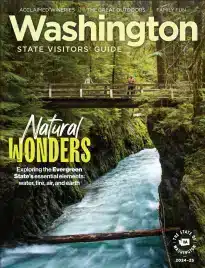
Washington Vacation Guide
Washington State represents a remarkable intersection of natural grandeur and modern innovation. Located in the far northwest corner of the United States, this region offers a geographical diversity that is rarely matched. From the moisture-rich environments of the coastal rainforests to the arid, sun-drenched plains of the eastern interior, the state provides a broad spectrum of experiences for travelers. The allure of the Pacific Northwest lies in its ability to offer both high-energy urban environments and serene, untouched wilderness areas within a single day’s journey. This guide explores the various facets of the state, providing a roadmap for those seeking to understand the unique characteristics of the Evergreen State.
The state is defined by the Cascade Mountain Range, which serves as a majestic spine dividing the land into two distinct climatic zones. To the west, the influences of the Pacific Ocean create a lush, green environment characterized by temperate temperatures and significant rainfall. To the east, the mountains create a rain shadow, resulting in a landscape of rolling hills, deep canyons, and vast agricultural lands. This contrast ensures that every visit can be tailored to specific interests, whether that involves hiking through alpine meadows, exploring coastal tide pools, or visiting world-class vineyards. The following sections provide a detailed look at the primary regions that make this state a premier destination for domestic and international travelers alike.
The Ultimate Roadmap to Washington State Exploration
Navigating the state requires an appreciation for its scale and the variety of its ecosystems. A well-planned itinerary often begins in the Puget Sound region, where the majority of the population resides and where the state’s cultural heart beats most strongly. From there, the journey can extend into the rugged wilderness of the national parks or the tranquil waters of the northern archipelagos. Each region possesses a distinct identity, shaped by its history, geology, and local communities. Understanding these nuances is key to a successful visit.
Urban Adventures in the Emerald City
Seattle, often referred to as the Emerald City, serves as the primary gateway for most visitors. This urban center is famous for its thriving tech industry, rich musical heritage, and iconic skyline. The Space Needle, a relic of the 1962 World’s Fair, remains a primary point of interest, offering panoramic views of the city, Elliott Bay, and the surrounding mountain ranges. Nearby, the Museum of Pop Culture (MoPOP) provides a deep look into the creative forces that have shaped modern entertainment, with exhibits ranging from science fiction to the history of rock and roll.
Pike Place Market and the Waterfront
A visit to Seattle is incomplete without spending time at Pike Place Market. This historic public market is one of the oldest in the country and continues to be a vibrant hub for local farmers, artisans, and merchants. Visitors can observe the famous fishmongers, browse through rows of fresh flowers, and sample locally made cheeses and pastries. The waterfront area, currently undergoing a significant transformation, offers access to the Seattle Aquarium and the Great Wheel, providing a closer connection to the maritime roots of the city. The ferries departing from the terminal offer a scenic and affordable way to see the city from the water, with routes heading to Bainbridge Island and Bremerton.
Natural Wonders of the Olympic Peninsula
To the west of Seattle lies the Olympic Peninsula, home to the Olympic National Park. This area is recognized as a UNESCO World Heritage site due to its incredible ecological diversity. The park encompasses three distinct environments: subalpine forest and wildflower meadows, temperate rainforests, and the rugged Pacific coast. This variety allows for a wide range of outdoor activities, from high-altitude trekking to beachcombing along driftwood-strewn shores.
Rainforests and Rugged Coastlines
The Hoh Rainforest is one of the most remarkable features of the peninsula. As one of the few remaining temperate rainforests in the northern hemisphere, it receives an average of 140 inches of precipitation annually. This results in a lush landscape where ancient Sitka spruces and Western hemlocks are draped in thick layers of moss and ferns. On the coast, Ruby Beach and Rialto Beach offer dramatic views of sea stacks and tide pools teeming with marine life. The constant interaction between the forest and the sea creates an atmosphere of primordial beauty that is unique to this corner of the world.
The Majesty of Mount Rainier National Park
Visible from much of the state on clear days, Mount Rainier is an active volcano and the most glaciated peak in the contiguous United States. The national park surrounding the mountain is a haven for hikers and mountaineers. During the summer months, the Paradise area of the park lives up to its name, with meadows filled with vibrant wildflowers and trails that lead to stunning viewpoints of the Nisqually Glacier. The Sunrise area, the highest point reachable by vehicle, provides a different perspective of the mountain and serves as a starting point for numerous high-country adventures.
The park’s infrastructure includes historic lodges and well-maintained visitor centers that provide educational resources about the mountain’s geology and the local flora and fauna. For those seeking a less strenuous experience, the scenic drives through the park offer numerous pullouts with breathtaking vistas. The change in elevation from the park entrance to the higher visitor centers allows travelers to experience several different life zones, from dense lowland forests to the stark beauty of the alpine tundra.
Eastern Washington: Sun-Drenched Vineyards and Canyons
Crossing the Cascade Mountains leads to a drastically different environment. Eastern Washington is characterized by its volcanic soil and sunny climate, making it an ideal region for agriculture. The Walla Walla Valley and the Yakima Valley have gained international recognition for their wine production, particularly their Cabernet Sauvignon and Syrah. Numerous tasting rooms and vineyards offer the opportunity to sample these award-winning wines while enjoying the peaceful scenery of the rolling hills.
Beyond the vineyards, the region features incredible geological formations such as the Grand Coulee Dam and the Palouse. The Palouse, located in the southeastern corner of the state, is famous for its undulating silt dunes that create a patchwork of colors during the growing season. This area is a favorite for photographers seeking to capture the unique patterns of the landscape. The Columbia River Gorge, which forms the southern border of the state, offers dramatic basalt cliffs and numerous waterfalls, providing a scenic corridor for travel between the coast and the interior.
The San Juan Islands and North Puget Sound
For those looking to escape the hustle of the mainland, the San Juan Islands offer a slower pace of life. Accessible by ferry or seaplane, these islands are known for their picturesque harbors, whale watching opportunities, and vibrant artistic communities. Friday Harbor on San Juan Island serves as the main hub, with boutique shops, galleries, and restaurants featuring local seafood. Orcas Island, the largest in the chain, is home to Moran State Park and Mount Constitution, where visitors can hike to the highest point in the islands for a 360-degree view of the archipelago and the Canadian Gulf Islands.
- Best Time to Visit: July through September offers the most stable weather and the best conditions for outdoor recreation.
- Transportation: While Seattle has good public transit, a car is essential for exploring the national parks and rural areas.
- Wildlife: Keep an eye out for bald eagles, marmots, and black-tailed deer in the mountains, and orcas and harbor seals in the Sound.
- Pack Layers: Weather can change rapidly, especially in the mountains and on the coast.
- Reservations: Popular campsites and national park entries may require advance booking during the peak season.
Whether the goal is to stand at the base of a massive glacier, watch a sunset over the Pacific, or enjoy a quiet afternoon in a vineyard, this state delivers an unparalleled variety of experiences. The commitment to land conservation and the preservation of natural resources ensures that these landscapes remain pristine for future generations. Planning a trip requires attention to detail. This resource provides the necessary foundation for a memorable journey through the Evergreen State. For more detailed itineraries and local tips, consult the Washington Vacation Guide.