
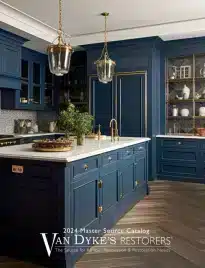
Van Dyke’s Restorers Catalog
Restoration projects require a unique blend of patience, skill, and access to the correct materials. When working on a historic home or a vintage piece of furniture, the challenge often lies in finding components that match the original craftsmanship. The Van Dyke’s Restorers Catalog acts as a specialized bridge between the past and the present, providing a massive inventory of period-correct hardware and architectural details. For those dedicated to maintaining the integrity of a structure, having a reliable source for niche parts is not just helpful; it is essential for a successful outcome.
The catalog is organized to assist both professional contractors and weekend hobbyists in identifying the exact specifications needed for their tasks. From the heavy weight of solid brass door knockers to the delicate filigree of Victorian-era cabinet pulls, the selection reflects a deep understanding of design history. By focusing on authentic materials and traditional manufacturing methods, these products help ensure that repairs do not look like modern patches but rather like natural extensions of the original work. This commitment to quality supports the longevity of the restoration, ensuring the home remains beautiful for decades to come.
The Strategic Role of Period-Correct Hardware
Selecting the right hardware is a critical step in any renovation that aims to respect a specific era. Hardware is often referred to as the jewelry of the home, and just like jewelry, it defines the personality of a room. Using modern, mass-produced handles on a 1920s Craftsman sideboard can disrupt the visual flow and diminish the piece’s value. The items found in the Van Dyke’s Restorers Catalog are designed to prevent such aesthetic clashes. Each category is filled with options that mirror the finishes and styles prevalent during different architectural movements.
Consider the importance of finishes. In the late 19th century, polished brass and intricate patterns were highly favored. In contrast, the mid-20th century saw a shift toward sleek lines and chrome or brushed nickel finishes. The catalog provides a wide array of options, including oil-rubbed bronze, antique copper, and unlacquered brass that will patina naturally over time. This variety allows the restorer to match the existing hardware perfectly or to choose a complementary style that feels appropriate for the age of the property.
Essential Furniture Components for Authentic Repair
Furniture restoration often goes beyond simple surface refinishing. It frequently involves replacing broken legs, missing casters, or damaged veneers. The catalog offers a specialized selection of furniture components that adhere to historical dimensions. For instance, finding the correct wooden leg for a Queen Anne chair or a set of porcelain casters for a Victorian settee can be nearly impossible at a standard hardware store. The availability of these parts ensures that functional furniture can be saved from the landfill and returned to its former glory.
Wooden appliques and onlays are another vital category for those working on cabinetry or large furniture pieces. These decorative elements allow for the customization of plain surfaces, adding a level of detail that was common in high-end historic craftsmanship. Whether it is a floral swag for a mantel or a simple corbel for a bookshelf, these additions provide a sense of depth and character. The catalog provides these in various wood species, such as oak, cherry, and maple, allowing for a seamless match with the original wood grain after staining.
Architectural Details that Define a Space
Beyond small hardware, the Van Dyke’s Restorers Catalog includes significant architectural elements that can transform the structural feel of a home. This includes items like ceiling medallions, decorative grilles, and intricate crown molding. These features were standard in many historic homes but are often removed or damaged during modernization. Reinstalling these details can significantly increase the historical value and charm of a residence.
Ceiling medallions, for example, serve a dual purpose. Historically, they protected the ceiling from the soot of gas lamps, but today they provide a stunning focal point for modern lighting fixtures. Choosing a medallion that matches the scale of the room and the style of the crown molding creates a cohesive look that feels intentional and sophisticated. Similarly, replacing modern plastic vent covers with decorative cast iron or brass grilles is a subtle change that makes a significant impact on the overall atmosphere of a room.
- Cabinet Hardware: Knobs, pulls, and hinges in styles ranging from Art Deco to Colonial.
- Door Hardware: Complete entry sets, rim locks, and decorative hinges for interior and exterior doors.
- Lighting: Period-inspired chandeliers, sconces, and replacement glass shades.
- Plumbing: Clawfoot tub accessories, vintage-style faucets, and high-tank toilets.
- Trunk Hardware: Everything needed to restore antique chests, including slats, locks, and handles.
Specialized Solutions for Kitchen and Bath
The kitchen and bathroom are the most common areas for renovation, yet they are also the most difficult to keep looking ‘old’ while maintaining modern functionality. The catalog addresses this by offering plumbing fixtures that look like antiques but operate with modern reliability. A bridge faucet in a polished nickel finish can provide the look of a turn-of-the-century kitchen while offering the ease of ceramic disc cartridges that prevent leaks.
In the bathroom, the focus often turns to the bathtub and vanity. Clawfoot tubs are a staple of historic homes, but they often require specific plumbing configurations. The catalog provides the necessary supply lines, drains, and overflow assemblies in finishes that match the rest of the room’s hardware. This attention to detail ensures that the functional aspects of the room do not detract from the vintage aesthetic. Furthermore, the selection of vanity mirrors and medicine cabinets allows for a complete transformation that feels unified and historically accurate.
Maintaining Integrity in Every Project
Successful restoration is rooted in the details. It is the small things—the type of screw head used, the weight of a hinge, or the clarity of a glass knob—that collectively create an authentic experience. Using the resources available in the Van Dyke’s Restorers Catalog allows for a level of precision that is difficult to achieve otherwise. It empowers the restorer to make choices based on historical accuracy rather than convenience.
For those embarking on a new project, it is often helpful to browse the catalog to understand the possibilities. Sometimes, seeing a specific type of bracket or a unique finish can spark an idea for a room’s design. The catalog serves as an educational tool as much as a retail source, helping users learn about the different styles and components that were popular throughout history. This knowledge leads to better decision-making and a final result that truly honors the architectural heritage of the project.
Tips for Selecting the Right Materials
When choosing items from the catalog, it is important to consider the environment where they will be used. Exterior hardware, such as gate latches or door knockers, should be made of durable materials like solid brass or stainless steel to withstand the elements. Interior items can be chosen more for their aesthetic appeal, but durability should still be a factor for high-traffic areas like kitchen cabinets or frequently used doors.
- Measure twice to ensure that new hardware will fit existing holes or footprints.
- Consider the patina; unlacquered finishes will change color over time, while lacquered finishes stay bright.
- Match the metal tones across a single room to maintain a consistent visual theme.
- Look for ‘living finishes’ if you want your hardware to age gracefully with the home.
Ultimately, the goal of any restoration is to preserve the story of a place or an object. By using high-quality, period-appropriate parts, you contribute to that story in a meaningful way. The right hardware does more than just function; it connects us to the people who built and lived in these spaces before us. For a complete look at all available restoration supplies and to find the perfect pieces for your next project, explore the Van Dyke’s Restorers Catalog.