
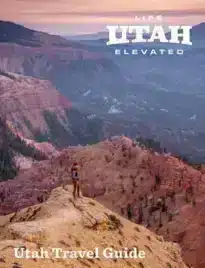
Utah Vacation Guide
Utah represents a diverse landscape where high-desert plateaus meet snow-capped peaks, offering a variety of experiences for travelers from around the globe. Those seeking adventure often find themselves drawn to the dramatic red rock formations of the south or the world-class ski slopes of the north. From the iconic natural bridges that define the horizon to the bustling urban center of Salt Lake City, the state provides a range of activities for every type of visitor. Planning a journey here requires an understanding of the vast distances and the unique seasonal shifts that transform the terrain throughout the year, ensuring each visit is both safe and rewarding.
Success in navigating this massive state comes from balancing the popular tourist sites with lesser-known wilderness areas that offer quiet contemplation. While the national parks draw millions of visitors annually, the numerous state parks and national monuments provide equally stunning vistas with significantly fewer crowds. This guide serves as a roadmap for creating an itinerary that captures the essence of the American West. Whether the goal is a strenuous hike through a narrow slot canyon or a relaxing weekend in a luxury mountain resort, the opportunities for discovery are virtually limitless across these rugged and beautiful landscapes.
The Grandeur of the Mighty 5 National Parks
The southern half of the state is home to a collection of protected lands known as the Mighty 5. These parks—Zion, Bryce Canyon, Capitol Reef, Arches, and Canyonlands—contain some of the most recognizable geological features on Earth. Each park offers a distinct personality and set of challenges for hikers, photographers, and nature enthusiasts. Visiting all five in a single trip is a popular goal, though each location deserves ample time to explore fully. The transition from the deep canyons of Zion to the high-altitude hoodoos of Bryce Canyon showcases the geological diversity that makes this region a global destination for outdoor recreation.
Zion National Park: A Hiker’s Paradise
Located in the southwest corner of the state, Zion National Park is famous for its massive sandstone cliffs of cream, pink, and red. The Virgin River carves through the canyon floor, creating a lush environment that contrasts sharply with the surrounding desert. The park is home to legendary trails such as Angels Landing, which offers breathtaking views from a narrow ridge, and the Narrows, where hikers wade through the river between towering canyon walls. Due to its popularity, the park utilizes a shuttle system during peak months to manage traffic and preserve the natural environment, making early planning essential for those wishing to access the most famous trailheads.
Arches National Park and Canyonlands
Near the town of Moab, visitors can experience two vastly different national parks within a short drive of each other. Arches National Park contains over 2,000 documented natural stone arches, including the world-famous Delicate Arch. The landscape is a playground of balanced rocks and fins, perfect for short walks and photography. Just a few miles away, Canyonlands National Park offers a more primitive experience. Divided into four districts by the Green and Colorado Rivers, the Island in the Sky district provides accessible overlooks, while the Needles district invites backpackers to explore its remote backcountry. Both parks highlight the power of erosion and the passage of time on a grand scale.
Bryce Canyon and Capitol Reef
Bryce Canyon is not a single canyon but a series of giant natural amphitheaters. The park is renowned for its hoodoos, which are tall, thin spires of rock that create a forest-like appearance. Walking among these structures on the Navajo Loop or Queen’s Garden trail provides an intimate look at the intricate layers of the Claron Formation. Further east lies Capitol Reef National Park, often considered the most underrated of the group. It protects the Waterpocket Fold, a 100-mile long warp in the Earth’s crust. Visitors can explore the historic Fruita district, where orchards planted by early settlers still produce fruit, or drive the scenic loop to see the towering monoliths of the Cathedral Valley.
Winter Adventures and the Greatest Snow on Earth
While the red rocks dominate the summer months, the northern mountains transform into a winter sports destination of international acclaim. The state famously claims to have the Greatest Snow on Earth due to the unique atmospheric conditions that create light, dry powder. This makes the region a primary hub for skiing and snowboarding. The Wasatch Mountain Range, located just east of the major urban centers, houses over a dozen world-class resorts. Many of these locations are accessible within an hour’s drive of the airport, allowing travelers to maximize their time on the slopes during a short vacation.
The Allure of Park City
As a former silver mining town, Park City has evolved into one of the premier mountain destinations in North America. It hosted many events during the 2002 Winter Olympics and continues to be a training ground for elite athletes. The town features two major resorts: Park City Mountain and Deer Valley. Beyond the slopes, the historic Main Street is lined with galleries, boutiques, and high-end dining options. During the winter, the town also hosts the Sundance Film Festival, attracting artists and cinema enthusiasts from around the world. In the summer, the area transitions into a hub for mountain biking and hiking, proving that the mountains are a year-round attraction.
Urban Culture and the Gateway of Salt Lake City
Salt Lake City serves as the cultural and economic heart of the state. It is a city that blends modern infrastructure with a rich historical background. Temple Square remains one of the most visited sites, offering insight into the state’s pioneer history and unique architecture. The city has also seen a surge in its culinary and craft beverage scenes, with many neighborhoods offering eclectic dining options that reflect a growing international population. Museums such as the Natural History Museum of Utah provide context for the geological and human history of the region, making it an excellent first stop for any visitor looking to understand the land they are about to explore.
Lesser-Known Treasures and Scenic Byways
Beyond the famous landmarks lie vast stretches of public land that offer solitude and rugged beauty. Grand Staircase-Escalante National Monument is a prime example, covering nearly 1.8 million acres of canyons, plateaus, and cliffs. This area is ideal for those who prefer off-the-beaten-path exploration and backcountry camping. Similarly, the San Rafael Swell offers dramatic canyons and ancient petroglyphs without the crowds of the national parks. Driving along Scenic Byway 12, often cited as one of the most beautiful roads in America, connects several of these remote areas, providing a visual feast of changing landscapes at every turn.
Stargazing in Dark Sky Parks
Utah is home to one of the highest concentrations of International Dark Sky Parks in the world. The lack of light pollution in the rural southern regions allows for unparalleled views of the Milky Way and other celestial phenomena. Many parks offer ranger-led astronomy programs, where visitors can look through high-powered telescopes and learn about the constellations. This commitment to preserving the night sky adds another layer to the vacation experience, allowing for a connection with the natural world that is increasingly rare in modern society.
- Best Time for Hiking: Late spring and early fall provide the most comfortable temperatures for exploring the southern deserts.
- Winter Sports Season: Most ski resorts open in late November and remain operational through mid-April, depending on snow levels.
- Stargazing Opportunities: New moon phases offer the darkest skies for optimal viewing of the stars and planets.
- Urban Exploration: Salt Lake City is vibrant year-round, with various festivals and events occurring in every season.
Practical Tips for a Successful Visit
Traveling through the high desert and mountain environments requires preparation and respect for the elements. Weather conditions can change rapidly, with temperatures swinging forty degrees in a single day. Staying hydrated is the most important factor for safety, as the dry air and high altitude can lead to exhaustion quickly. It is also recommended to download maps for offline use, as cell service is often unavailable in remote canyon areas. By respecting the principles of Leave No Trace, visitors ensure that these fragile ecosystems remain pristine for future generations to enjoy.
- Carry at least one gallon of water per person when hiking in desert environments.
- Always check the weather forecast for flash flood warnings before entering slot canyons.
- Wear sturdy footwear with good traction to navigate slickrock and uneven trails.
- Pack layers of clothing to account for significant temperature changes between day and night.
A journey through this incredible state offers a chance to witness some of the most dramatic scenery on the planet. From the soaring peaks of the north to the deep, silent canyons of the south, every mile reveals something new. By taking the time to plan and respect the natural environment, travelers can ensure a trip that is both exhilarating and restorative. For those ready to begin their journey, this Utah Vacation Guide provides the necessary foundation for an unforgettable experience.