
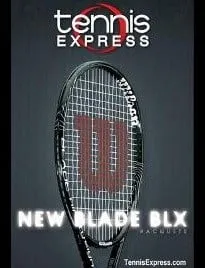
Tennis Express Catalog
Tennis enthusiasts understand that the right equipment is a fundamental component of success and enjoyment on the court. Whether a player is just starting or has been competing for years, the gear selected can significantly influence performance and physical well-being. A comprehensive selection of tennis products provides an opportunity to explore the latest innovations from leading brands. By understanding the specifications and benefits of different racquets, shoes, and apparel, players can make informed decisions that align with their personal playing style and goals. High-quality equipment is designed to enhance strengths and provide support where it is needed most during a fast-paced match.
Access to a diverse range of products ensures that every athlete finds exactly what they need to excel. From the tension of the strings to the grip size of a racquet, every detail matters. Modern tennis gear is the result of extensive research and development aimed at improving power, control, and comfort. Browsing through a wide array of options allows for a comparison of features such as weight distribution, frame stiffness, and cushioning technology. This level of variety caters to the unique demands of different court surfaces and playing conditions. Investing time in selecting the right equipment is a proactive step toward achieving a more rewarding and successful tennis experience.
The Engineering of Excellence: Navigating Modern Tennis Gear
The evolution of tennis equipment has been marked by significant technological leaps that have changed how the game is played. Today, players have access to materials like carbon fiber and advanced polymers that were once reserved for aerospace engineering. These materials allow for racquets that are both incredibly strong and surprisingly lightweight. When exploring a professional collection, one will notice that each piece of gear is tailored for a specific type of player. For instance, some racquets are designed for baseline players who need maximum power and spin, while others are built for net players who prioritize maneuverability and touch. This specialization ensures that every player can find a tool that feels like an extension of their arm. Brands such as Wilson, Babolat, and Head continue to innovate, offering frames that incorporate vibration-dampening materials to protect a player’s elbow and wrist. This focus on player health, combined with performance-enhancing features, makes the current era of tennis equipment the most advanced in the history of the sport.
Selecting the Ideal Racquet Frame
Choosing a racquet is perhaps the most personal decision a tennis player makes. The frame serves as the primary interface between the player and the ball. Key factors to consider include the head size, which determines the sweet spot and forgiveness of the racquet. Larger head sizes, often categorized as oversize or super-oversize, generally offer more power and a bigger hitting area, making them ideal for beginners or those looking for extra assistance. Conversely, smaller head sizes, or mid-plus frames, provide greater control and precision for advanced players with consistent swings. The weight and balance of the frame also play a crucial role in how the racquet feels during a swing. A head-heavy racquet can provide more plow-through and power, which is beneficial for players who stay at the baseline. On the other hand, a head-light racquet offers better speed and agility, making it easier to react quickly at the net. Understanding these nuances is essential for selecting a racquet that complements one’s natural abilities.
- Head Size: Measured in square inches, impacting the available power and the size of the sweet spot.
- String Pattern: Open patterns like 16×19 provide more bite on the ball for spin, while dense patterns like 18×20 offer a more predictable response for control.
- Grip Size: Choosing the correct circumference is vital to prevent grip slippage and reduce the risk of developing tennis elbow.
- Beam Width: Thicker beams are generally stiffer and provide more power, while thinner beams offer more flexibility and a traditional feel.
- Swing Weight: This measure indicates how heavy the racquet feels when in motion, affecting both power potential and maneuverability.
Footwear Engineering for Peak Performance
Tennis is a sport characterized by rapid lateral movements, sudden stops, and explosive sprints. Consequently, the demands placed on tennis shoes are unique compared to other athletic footwear. High-performance court shoes are engineered to provide the stability and durability required for these intense physical actions. The outsole of a tennis shoe is particularly important, as it must provide traction on various surfaces such as hard courts, clay, or grass. Manufacturers use specialized rubber compounds to ensure that the shoes can withstand the friction generated during high-speed slides and pivots. Furthermore, cushioning systems in the midsole help to absorb the impact of every step, protecting the joints and reducing fatigue during long matches. The lateral support provided by these shoes is critical for preventing ankle rollovers, which are common in sports with frequent side-to-side changes in direction.
Durability and Traction on Hard Courts
Hard courts are the most common playing surface and also the most demanding on footwear. The abrasive nature of the concrete or acrylic surface can quickly wear down standard athletic shoes. Professional-grade tennis shoes feature reinforced toe caps and durable outsoles specifically designed for hard court play. These shoes often incorporate lateral outriggers, which are small extensions of the outsole that provide a wider base for better balance during sharp movements. Stability is a key focus, as players need to feel secure when changing direction quickly to reach a wide shot. The upper materials are often a blend of synthetic leather and breathable mesh, providing a balance between structural support and airflow. This combination keeps the feet cool and comfortable, even during the most grueling sessions in the heat.
Functional Fashion and Technical Apparel
The apparel worn on the tennis court is as much about performance as it is about style. Modern tennis clothing utilizes advanced fabric technologies to manage moisture and regulate body temperature effectively. Fabrics that wick sweat away from the skin allow it to evaporate quickly, keeping the player dry and preventing the clothing from becoming heavy and uncomfortable. Many garments also feature UV protection to shield players from the sun’s rays during outdoor play, which is a vital consideration for long-term skin health. The design of tennis apparel emphasizes freedom of movement, with ergonomic seams and stretchable materials that do not restrict the range of motion during serves or overhead smashes. From lightweight polos and skirts to compression shorts and warm-up gear, the options available allow players to maintain a professional appearance while performing at their peak level.
Seasonal Gear and Accessories
Beyond the primary equipment, various accessories play a vital role in a player’s preparation and performance. High-quality tennis bags are designed to protect racquets from temperature fluctuations and physical damage. Many bags feature thermal linings that help maintain string tension by shielding the racquets from extreme heat or cold. Multiple compartments allow for organized storage of shoes, apparel, and personal items like keys and phones. Other essential accessories include vibration dampeners, which are small devices placed in the string bed to reduce the high-frequency shock felt in the arm upon impact. Overgrips provide a fresh, tacky surface for better racquet control and can be easily replaced when they become worn or slippery. Even items like specialized tennis socks, which offer extra padding in high-impact areas like the heel and ball of the foot, contribute significantly to the overall comfort of the athlete.
- Multiple Racquets: To ensure a backup is available if a string breaks during a match.
- Extra Strings and Overgrips: For on-the-spot maintenance to keep equipment in top condition.
- Towels and Wristbands: Vital for managing perspiration and maintaining a secure grip on the racquet.
- Water Bottles and Nutrition: To maintain proper hydration and energy levels throughout a long day of play.
- Sunscreen and Hats: Essential for protection against sun exposure during outdoor matches and practice sessions.
The sport of tennis is greatly enhanced by the quality and suitability of the equipment used. From the technical specifications of a high-performance racquet to the durability of specialized court shoes, every piece of gear contributes to a player’s ability to compete effectively and enjoy the game. By exploring a wide range of options, players can find the perfect balance of power, control, and comfort that suits their individual needs. Investing in the right tools not only improves performance but also helps in preventing injuries, allowing for a longer and more fulfilling involvement in the sport. For those looking to upgrade their equipment or find the latest styles, a visit to the Tennis Express Catalog provides access to everything needed for success on the court.