
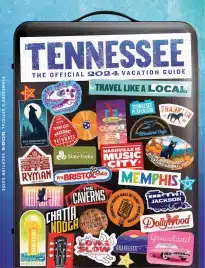
Tennessee Vacation Guide
Tennessee offers a diverse range of experiences that cater to every type of traveler. From the neon-lit streets of Nashville to the mist-covered peaks of the Great Smoky Mountains, the state provides a rich environment for exploration. Visitors often find themselves drawn to the deep cultural roots found in the local music, the legendary culinary scene, and the historic landmarks that define the American South. This guide serves as a resource for those planning a visit to the Volunteer State, highlighting the must-see destinations and hidden treasures that make this region unique.
Travelers can expect a warm welcome and a variety of activities regardless of the season. Spring brings blooming wildflowers in the highlands, while autumn transforms the landscape into a vivid display of gold and crimson. Summer is perfect for river activities and outdoor festivals, and winter offers cozy retreats in mountain cabins. Understanding the geography and the distinct character of each region helps in crafting an itinerary that captures the true essence of Tennessee. Whether looking for high-energy entertainment or a quiet escape into nature, the state delivers consistent quality and memorable moments.
The Rhythmic Pulse of Tennessee Cities
The urban centers of Tennessee are world-renowned for their contributions to music history. Nashville, famously known as Music City, is the epicenter of the country music industry. A walk down Lower Broadway reveals a continuous stream of live music pouring out of every storefront. The Ryman Auditorium, often referred to as the Mother Church of Country Music, remains a premier venue for performers from all genres. Beyond the music, Nashville has grown into a sophisticated hub with high-end dining, boutique shopping in the Gulch, and beautiful green spaces like Centennial Park, which houses a full-scale replica of the Parthenon.
Memphis and the Birth of Rock and Soul
Traveling west leads to Memphis, a city with a gritty, authentic soul that played a pivotal role in the development of rock and roll and blues. Beale Street is the place to experience the blues in its purest form, with clubs that have hosted legends for decades. A visit to Sun Studio allows guests to stand in the very room where Elvis Presley and Johnny Cash recorded their first hits. Graceland, the sprawling estate of Elvis, remains one of the most visited private homes in the country, offering an intimate look at the life of a cultural icon. Memphis is also home to the National Civil Rights Museum, located at the Lorraine Motel, providing a powerful and educational experience regarding the American struggle for equality.
Natural Wonders of the Great Smoky Mountains
The eastern portion of the state is dominated by the Great Smoky Mountains National Park, the most visited national park in the United States. This UNESCO World Heritage site is famous for its biological diversity and the blue-tinged smoke that often clings to its ridges. Hiking is a primary draw, with over 800 miles of trails ranging from easy strolls to the challenging ascent of Mount LeConte. Cades Cove offers a picturesque driving loop where visitors can spot white-tailed deer, black bears, and wild turkeys amidst historic cabins and churches from the 19th century.
- Clingmans Dome: The highest point in Tennessee, providing 360-degree views of the surrounding mountains.
- Roaring Fork Motor Nature Trail: A scenic drive featuring rushing streams, old-growth forests, and well-preserved log buildings.
- Abrams Falls: A popular trail leading to a powerful waterfall with a large deep pool at its base.
- Alum Cave Bluffs: A fascinating geological feature that offers stunning vistas along the path to the summit.
Outdoor Recreation and Adventure
Beyond the national park, East Tennessee is a playground for outdoor enthusiasts. The Ocoee River provides world-class whitewater rafting, having hosted Olympic events in the past. Chattanooga, nestled along the Tennessee River, is famous for Lookout Mountain, where visitors can see seven states on a clear day from Rock City. The city also features the Tennessee Aquarium, which showcases the diverse aquatic life found in the region’s rivers and the nearby Gulf of Mexico. For those who prefer underground exploration, Ruby Falls offers a stunning subterranean waterfall located deep within the mountain.
Small Town Charm and Historic Landmarks
Tennessee is dotted with small towns that offer a slower pace and a glimpse into the past. Franklin, located just south of Nashville, features a beautifully preserved historic downtown filled with antique shops, local eateries, and sites related to the Civil War, such as the Carnton Plantation. Lynchburg is another essential stop, home to the Jack Daniel Distillery. Despite being located in a dry county, the distillery offers informative tours that explain the process of making Tennessee whiskey, a product that is recognized globally.
In Middle Tennessee, the rolling hills and horse farms provide a serene backdrop for road trips. The Natchez Trace Parkway is a scenic drive that follows an ancient trail used by Native Americans and early settlers. Along the way, travelers can find numerous hiking spots, waterfalls, and historic markers. This route is particularly popular during the fall season when the foliage creates a colorful canopy over the roadway. The commitment to preserving these landscapes ensures that the natural beauty remains accessible for generations to come.
The Culinary Heritage of the South
Food is an integral part of the Tennessee experience. The state is famous for its specific styles of barbecue, particularly in Memphis, where dry-rubbed ribs are a local specialty. Nashville has gained international fame for its Hot Chicken, a spicy fried chicken dish that has inspired countless imitations. However, the true heart of Tennessee dining is found in the “meat and three” restaurants, where diners choose one protein and three side dishes from a rotating daily menu. This tradition emphasizes community and comfort, reflecting the hospitality that the region is known for.
Farmers markets are also a staple of Tennessee life, showcasing the agricultural productivity of the region. From seasonal peaches and tomatoes to artisanal cheeses and honey, these markets allow visitors to taste the local flavors directly from the source. Many high-end restaurants in the larger cities prioritize farm-to-table practices, ensuring that the ingredients are fresh and support local growers. This connection between the land and the table is a defining characteristic of the modern Tennessee food scene.
Planning the Perfect Itinerary
When organizing a trip, it is beneficial to consider the geographic spread of the state. Dividing a visit between the musical heritage of the west and middle regions and the mountainous landscapes of the east provides a balanced perspective. Many travelers choose to fly into Nashville or Memphis and rent a car to explore the scenic byways. The state park system in Tennessee is also excellent, offering affordable lodging options ranging from campgrounds to modern lodges in beautiful natural settings.
Safety and preparedness are important when exploring the outdoors. Visitors to the Smoky Mountains should be aware of weather changes and wildlife safety protocols. In the cities, using public transportation or ride-sharing services can simplify navigation through busy entertainment districts. By taking the time to research specific events and seasonal openings, travelers can ensure they make the most of their time in this vibrant state. The variety of attractions ensures that there is always something new to discover, making Tennessee a destination that people return to year after year. For more detailed information and travel tips, please refer to the Tennessee Vacation Guide.