
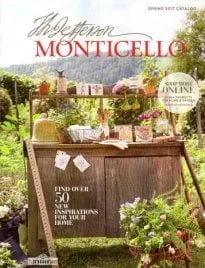
Monticello Shop Catalog
The legacy of Thomas Jefferson extends far beyond the political foundations of the United States. It lives on through the architecture, gardening practices, and intellectual pursuits that defined his life at his Virginia estate. For those seeking to integrate a piece of this heritage into their own homes, the Monticello Shop Catalog serves as a primary resource. This collection offers a bridge between the 18th-century Enlightenment and contemporary living, providing access to items that are both functional and historically significant. By focusing on authenticity and craftsmanship, the catalog allows individuals to explore the aesthetic and practical philosophies that Jefferson championed throughout his lifetime.
Whether one is an avid gardener looking for rare heirloom seeds or a homeowner searching for decor that tells a story, the variety of items available is extensive. Each product is selected to reflect the interests of a man who was a scientist, architect, and philosopher. The catalog does not merely offer merchandise; it provides a tangible connection to American history through meticulously researched reproductions and inspired designs. This connection encourages a deeper understanding of the past while enhancing the beauty and utility of modern environments. The following sections explore the diverse categories within the catalog and the value they bring to a thoughtful lifestyle.
The Botanical Legacy: Heirloom Seeds and Garden Essentials
Thomas Jefferson is often remembered as the ‘Father of American Agriculture,’ and his passion for botany is a central theme within the Monticello Shop Catalog. The gardening section is particularly noteworthy for its commitment to preserving heirloom seeds that were once grown in the vegetable garden and orchards of the estate. These are not standard commercial varieties; they are living artifacts that offer a taste of history. Gardeners can find seeds for unique plants such as the Tennis Ball lettuce or the Marseilles fig, which Jefferson meticulously documented in his Garden Book. Growing these plants allows individuals to participate in the ongoing preservation of genetic diversity and historical horticulture.
Beyond the seeds themselves, the catalog features tools and accessories that reflect the utilitarian elegance of early American gardening. From sturdy garden benches to decorative plant stakes, these items are designed to withstand the elements while providing a classic aesthetic. The focus remains on botanical diversity and the joy of cultivation. For those interested in the science of gardening, the catalog also includes books and guides that explain Jefferson’s innovative techniques, such as his use of terracing and his experiments with crop rotation. This educational component ensures that the catalog serves as a resource for learning as much as a place for acquisition.
Preserving Historic Plant Varieties
The preservation of historic plant varieties is a vital part of the mission associated with the estate. Many of the flowers and vegetables found in the catalog are sourced from the Thomas Jefferson Center for Historic Plants. This ensures that the seeds are true to the varieties that would have been recognizable in the 1700s and 1800s. By choosing these plants, gardeners contribute to the survival of species that might otherwise be lost to the homogenization of modern industrial farming. The catalog provides detailed instructions for each variety, making it accessible for both novice gardeners and experienced horticulturists to succeed in growing a piece of history.
Interior Design and Architectural Influence
The interior of Monticello was a reflection of Jefferson’s wide-ranging interests, from classical European design to innovative American inventions. The Monticello Shop Catalog brings this interior vision to the public through a variety of home decor items. One can find reproductions of the famous Jefferson Cup, a simple yet elegant silver vessel that remains a popular choice for gifts and personal use. Similarly, the catalog features textiles and linens that draw inspiration from the patterns and colors found in the house’s private quarters. These items allow for the creation of a living space that feels both timeless and sophisticated.
Furniture and lighting also play a significant role in the collection. Many pieces are inspired by Jeffersonian architecture, characterized by its use of neoclassical elements and mathematical precision. While full-scale furniture reproductions are a major draw, smaller items like bookstands and clocks also capture the spirit of innovation. Jefferson was known for his ‘polygraph’ copying machine and his elaborate great clock; while the catalog offers modern interpretations, the focus on artisan quality remains constant. These products are intended for those who appreciate the intersection of form and function, much like the master of the house did centuries ago.
The Aesthetic of the Enlightenment
The Enlightenment was a period marked by a pursuit of knowledge and a respect for classical traditions. This aesthetic is prevalent throughout the catalog’s decor section. Items often feature clean lines, balanced proportions, and motifs inspired by ancient Greece and Rome. By incorporating these elements into a modern home, individuals can create an environment that encourages reflection and intellectual engagement. The catalog makes it possible to achieve historic authenticity without sacrificing the comforts of contemporary life. Each piece serves as a conversation starter, inviting guests to learn more about the origins of American design and the intellectual climate of the founding era.
Educational Resources and Literary Collections
Jefferson once famously stated, ‘I cannot live without books,’ and the Monticello Shop Catalog honors this sentiment through its extensive selection of literature. The book collection is a cornerstone of the catalog, offering everything from scholarly biographies to beautifully illustrated children’s books. These resources provide context for the other items in the catalog, explaining the history of the estate, the complexities of the era, and the life of the people who lived and worked there. The educational value of these materials cannot be overstated, as they offer a nuanced view of the past.
In addition to historical texts, the catalog includes works on modern topics that align with Jefferson’s interests, such as architecture, wine-making, and political philosophy. This variety ensures that there is something for every reader. For those who enjoy writing and reflection, the catalog also offers fine stationery, journals, and writing instruments. These products encourage the art of letter-writing and personal documentation, practices that were central to Jefferson’s daily routine. By providing the tools for intellectual exploration, the catalog supports a lifestyle dedicated to lifelong learning and the exchange of ideas.
- Comprehensive biographies of Thomas Jefferson and his contemporaries.
- Detailed guides on 18th-century gardening and cooking techniques.
- Architectural surveys of Monticello and other historic American landmarks.
- Children’s literature designed to introduce young readers to history and science.
- Scholarly journals and collections of Jefferson’s personal correspondence.
Apparel and Personal Accessories with a Historical Flair
The influence of the Monticello Shop Catalog extends to personal style as well. The apparel and accessories section features items that are inspired by the fashions of the late 18th and early 19th centuries, adapted for modern wear. This includes scarves with botanical prints, jewelry based on historical artifacts, and high-quality leather goods. These items are chosen for their durability and classic appeal, ensuring they remain stylish for years to come. The jewelry, in particular, often features semi-precious stones and metals that reflect the types of adornments found in the early American republic.
For those who enjoy the outdoors, the catalog offers hats and outerwear that are both practical and evocative of a bygone era. These products are perfect for visitors to historic sites or for anyone who appreciates a rugged yet refined look. The emphasis is always on quality materials and thoughtful design. By wearing these items, individuals can subtly express their appreciation for history and the enduring influence of Virginia’s cultural heritage. The catalog successfully balances the need for modern utility with a respect for the sartorial traditions of the past.
- Silk scarves featuring patterns from historic wallpaper and textiles.
- Jewelry reproductions based on pieces owned by the Jefferson family.
- Durable canvas and leather bags designed for travel and daily use.
- Classic hats and accessories suitable for gardening and outdoor exploration.
- Commemorative apparel that celebrates significant milestones in American history.
The Importance of Supporting Historical Preservation
Engaging with the Monticello Shop Catalog is more than just a shopping experience; it is a way to support the ongoing efforts of historical preservation. The proceeds from the catalog go directly toward the maintenance of the estate and the educational programs that reach thousands of people each year. This includes the restoration of the house and gardens, as well as the research that continues to uncover new stories about the diverse community that lived at Monticello. By choosing items from this collection, individuals play a role in ensuring that this World Heritage site remains a vibrant and accessible resource for future generations.
The catalog also emphasizes ethical sourcing and the support of local artisans. Many of the products are made by craftsmen who use traditional methods, ensuring that the skills of the past are not forgotten. This commitment to quality and community is a hallmark of the catalog’s philosophy. Whether purchasing a small gift or a significant piece of home decor, customers can feel confident that their choice contributes to a larger mission of education and preservation. The catalog stands as a testament to the idea that history is not just something to be studied in books, but something to be experienced and integrated into daily life. To see the full range of available items and discover how to bring a piece of history home, explore the Monticello Shop Catalog.