
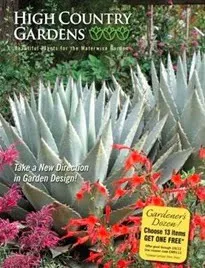
High Country Gardens Catalog
Transforming a residential landscape into a thriving, water-efficient sanctuary requires more than just a passing interest in horticulture; it demands access to specialized knowledge and resilient plant varieties. The movement toward water-wise gardening has gained significant momentum as homeowners seek to balance aesthetic beauty with environmental responsibility. Utilizing a dedicated resource like a specialized plant guide allows individuals to identify species that are not only visually stunning but also biologically equipped to handle the rigors of arid or semi-arid climates. By focusing on plants that have evolved to flourish with minimal supplemental irrigation, gardeners can create outdoor spaces that remain vibrant even during periods of restricted water usage. This approach to landscaping emphasizes the importance of selecting the right plant for the right place, ensuring long-term success and reduced maintenance efforts.
A well-structured gardening resource provides more than just a list of available flora; it offers a blueprint for ecological harmony. For those living in regions where rainfall is scarce or unpredictable, the information found in a comprehensive horticultural guide becomes indispensable. It serves as a bridge between traditional gardening methods and modern, sustainable practices. By understanding the specific needs of various perennials, grasses, and shrubs, property owners can make informed decisions that benefit both their local ecosystem and their personal well-being. The transition from a high-maintenance turf lawn to a diverse, drought-tolerant meadow is a rewarding journey that begins with the careful study of available plant options. This shift not only conserves a precious natural resource but also invites a variety of beneficial wildlife back into the home environment.
Cultivating Resilience with Sustainable Plant Selections
The core philosophy of sustainable landscaping centers on the use of xeric perennials and native species that require very little intervention once established. When exploring the options available in a professional plant collection, one quickly realizes that drought-tolerant does not mean drab or colorless. On the contrary, many of the most resilient plants offer some of the most striking textures and brilliant blooms in the botanical world. The key to a successful xeric garden lies in the strategic arrangement of these plants based on their moisture requirements and sunlight preferences. This method, often referred to as hydrozoning, ensures that every drop of water is used efficiently, preventing waste while promoting deep root growth. As these plants mature, they form a dense canopy that shades the soil, further reducing evaporation and suppressing weed growth.
One of the primary benefits of utilizing a specialized catalog is the ability to discover unique varieties that are not typically found in local big-box nurseries. These plants are often selected for their superior genetics, including improved cold hardiness, disease resistance, and extended flowering periods. For instance, cold-hardy cacti and succulents can add architectural interest to a garden throughout the year, providing structure even in the depths of winter. Similarly, ornamental grasses offer movement and sound as they sway in the breeze, creating a sensory experience that static landscapes lack. By integrating a diverse range of plant types, gardeners can ensure that their outdoor space remains interesting through every season, rather than peaking only in the spring or summer months.
High-Performance Perennials for Arid Regions
Among the most popular choices for water-conscious gardeners are Agastache, also known as Hyssop, and various species of Salvia. These plants are celebrated for their ability to thrive in poor soils and intense heat while producing an abundance of nectar-rich flowers. Their aromatic foliage often serves as a natural deterrent to deer and rabbits, making them an excellent choice for rural or suburban areas where wildlife pressure is high. Another staple of the water-wise garden is the Penstemon, or Beardtongue. With hundreds of species native to North America, there is a Penstemon suited for almost any soil type or elevation. These plants are particularly valued for their tubular flowers, which are perfectly shaped for hummingbirds. By planting a variety of these species, a gardener can provide a continuous food source for pollinator habitats from late spring through the first frost of autumn.
- Agastache (Hyssop): Known for licorice-scented leaves and spikes of purple, orange, or red flowers.
- Salvia (Sage): Offers deep blue and violet hues and is exceptionally drought-tolerant once established.
- Penstemon (Beardtongue): A diverse genus with flowers ranging from bright scarlet to soft pastel pink.
- Lavandula (Lavender): Prized for its fragrance and ability to thrive in sunny, well-drained locations.
- Eriogonum (Wild Buckwheat): A rugged native that provides essential late-season nectar for butterflies.
Supporting Local Ecosystems and Biodiversity
Modern landscaping is increasingly focused on the role that private gardens play in supporting broader ecological health. By selecting native plant varieties, homeowners can provide the specific food and nesting materials required by local birds, bees, and butterflies. Many specialized plant guides highlight these relationships, helping gardeners choose species that act as host plants for specific butterfly larvae or provide high-energy seeds for songbirds in the winter. This intentional approach to plant selection transforms a backyard into a vital link in a larger environmental chain. As natural habitats are lost to development, these domestic refuges become increasingly important for the survival of many species. The result is a garden that feels alive, filled with the sights and sounds of a functioning ecosystem.
Furthermore, the use of drought-tolerant plants significantly reduces the need for chemical fertilizers and pesticides. Many xeric species prefer lean, unamended soil and can actually be harmed by excessive nutrient levels. This natural resilience means that the runoff from these gardens is cleaner, protecting local waterways from the nitrogen and phosphorus pollution associated with traditional lawn care. Encouraging a healthy soil microbiome through the use of organic mulches and minimal tilling further enhances the vitality of the garden. Over time, the soil becomes a carbon sink, sequestering atmospheric carbon and contributing to a healthier planet. This holistic view of gardening shifts the focus from purely aesthetic concerns to a more profound connection with the natural world.
Design Strategies for Year-Round Interest
A common misconception about water-wise landscapes is that they look barren during the winter months. However, by incorporating plants with interesting seed heads, evergreen foliage, and unique bark textures, a garden can remain a visual asset throughout the year. For example, many ornamental grasses maintain their golden or bronze hues well into the spring, providing a striking contrast against a backdrop of snow. Shrubs with colorful berries or intricate branching patterns add depth and complexity to the winter scene. When planning a garden using a professional resource, it is helpful to consider how each plant will change through the seasons. This foresight ensures that the landscape evolves gracefully, offering new surprises as the months pass.
Integrating hardscape elements like stone paths, boulders, and dry creek beds can also enhance the beauty of a xeric garden. These features provide a permanent structure that complements the organic forms of the plants. Stones can act as thermal masses, absorbing heat during the day and releasing it at night, which can create microclimates for slightly more sensitive species. Additionally, the use of gravel or crushed stone as a mulch can prevent crown rot in plants that require excellent drainage, while also providing a clean, modern look. By combining these physical elements with sustainable landscapes, gardeners can create a space that feels both grounded and dynamic, reflecting the natural beauty of the surrounding environment.
Practical Application and Long-Term Maintenance
Establishing a new water-wise garden requires an initial investment of time and attention, particularly during the first two growing seasons. While these plants are eventually drought-tolerant species, they need regular watering to develop the deep root systems that will sustain them in the future. Proper planting techniques, such as digging a hole that is twice as wide as the root ball and ensuring the plant is not buried too deeply, are crucial for success. Once the plants have filled in and established themselves, the need for supplemental water decreases dramatically. Maintenance then shifts to occasional pruning, removing spent flower stalks, and refreshing mulch as needed. This reduced workload allows more time for simply enjoying the garden and observing the many creatures that visit it.
Education is a continuous part of the gardening process. As climates shift and new plant varieties are introduced, staying informed through reliable horticultural resources is essential. Many enthusiasts find that their interests expand as they master the basics of xeriscaping, leading them to experiment with more rare or challenging species. The sense of accomplishment that comes from successfully growing a plant that is perfectly adapted to its environment is immense. It fosters a deeper appreciation for the complexity of nature and the resilience of life. Whether starting with a small patio container or a multi-acre property, the principles of water-wise gardening offer a path toward a more sustainable and beautiful future. For those ready to begin their journey, the wealth of information and plant options found in the High Country Gardens Catalog serves as an excellent starting point for creating a legacy of environmental stewardship.