
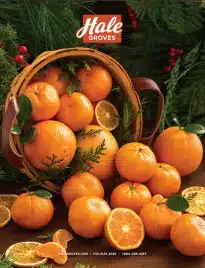
Hale Groves Catalog
The arrival of a seasonal fruit collection brings a unique sense of excitement to those who appreciate the vibrant flavors of sun-ripened produce. Navigating the Hale Groves catalog offers an opportunity to explore the finest selections from Florida citrus groves, where the climate and soil conditions create the perfect environment for high-quality fruit. This collection serves as a roadmap for finding premium treats that are often unavailable in local grocery stores, providing a direct link between the orchard and the home table.
Choosing farm-fresh options ensures that the nutritional value and flavor profile of the fruit remain intact. Unlike mass-market produce that may spend weeks in transit or storage, the items highlighted in these pages are picked at the height of their season. This commitment to timing results in juicier oranges, sweeter grapefruits, and more aromatic gift assortments. Understanding what each season offers allows for a more informed and satisfying selection process for personal enjoyment or thoughtful gifting.
Seasonal Treasures and Signature Citrus Varieties
The diversity of Florida citrus is the cornerstone of the catalog’s appeal. Each variety has a specific window of availability, making the timing of an order essential for those seeking a particular taste experience. From the early season harvests to the late spring blooms, the progression of fruit reflects the natural cycle of the groves. This seasonal rotation ensures that every box delivered contains fruit that has reached its maximum sugar content and juice density.
The Allure of Florida Honeybells
Among the most anticipated offerings are the Honeybells. Known for their distinct bell shape and incredibly high juice content, these hybrids are only available for a short period, typically in January. Their rarity makes them a prized find in the catalog. The flavor is a sophisticated balance of sweetness with a subtle tang, making them a favorite for fresh snacking or juicing. Because the harvest window is so narrow, planning ahead is often necessary to secure a share of this limited crop.
Ruby Red Grapefruit and Beyond
Another staple of the collection is the Ruby Red Grapefruit. Unlike the bitter varieties often found elsewhere, these fruits are celebrated for their natural sweetness and deep pigment. They represent the gold standard of Florida grapefruit, offering a refreshing start to the day or a healthy snack. The catalog often pairs these with other citrus stars, such as Navel Oranges or Tangerines, to provide a well-rounded citrus experience that caters to different palates.
Curating the Perfect Gourmet Gift Basket
Beyond individual fruit varieties, the catalog excels in presenting gourmet gift baskets that combine fresh produce with artisanal treats. These arrangements are designed to provide a multi-sensory experience, blending the bright colors of the fruit with the rich textures of nuts, sweets, and baked goods. The presentation is professional and inviting, making these sets a popular choice for holidays, birthdays, or corporate gestures.
- Mixed Citrus Assortments: A blend of oranges and grapefruit for variety.
- Fruit and Nut Tins: Combining orchard-fresh fruit with crunchy, savory snacks.
- Breakfast Boxes: Featuring marmalades, muffin mixes, and fresh juice oranges.
- Holiday Towers: Multi-tiered boxes filled with a wide range of seasonal surprises.
The selection process for these baskets involves pairing flavors that complement one another. For instance, the acidity of a tangerine might be paired with the richness of dark chocolate or the saltiness of roasted pecans. This attention to detail ensures that the recipient enjoys a balanced tasting experience. The catalog provides clear descriptions of what is included in each set, allowing for a precise match between the gift and the recipient’s preferences.
Occasions for Orchard-Fresh Delivery
Sending a gift from the groves is a versatile option for many life events. During the winter months, seasonal fruit serves as a bright spot of color and health during the colder weather. In the spring, items like Valencias and Honey Mandarins offer a light, refreshing taste that aligns with the changing season. The catalog makes it simple to find a gift that feels appropriate for the time of year, ensuring the produce is always relevant and fresh.
Maximizing Freshness Through Smart Selection
To get the most out of a catalog order, it is helpful to understand the logistics of peak ripeness. Fruit is typically harvested only when it has met strict standards for maturity. This means that once it arrives, it is ready to be enjoyed immediately. However, knowing how to store these items can extend their shelf life and maintain their quality. Most citrus fruits benefit from being kept in a cool, well-ventilated area or the crisper drawer of a refrigerator.
- Check the Harvest Calendar: Align orders with the peak month for specific varieties.
- Consider Shipping Times: Ensure someone is available to receive the package to maintain freshness.
- Inspect Upon Arrival: Gently wash and dry the fruit to keep the peels in top condition.
- Rotate Your Stock: Eat the thinnest-skinned fruits first, as they tend to be the juiciest and most delicate.
The catalog often includes tips on how to use the fruit in various recipes, from salads to desserts. This adds value beyond the initial purchase, encouraging a more creative use of the harvest. Whether it is zest for a cake or slices for a summer beverage, the versatility of high-quality citrus is a recurring theme throughout the product descriptions. By following the guidance provided, consumers can ensure that every piece of fruit is used to its full potential.
Exploring the variety of options available leads to a deeper appreciation for the effort that goes into growing and selecting premium produce. The focus remains on quality, flavor, and the joy of sharing nature’s bounty with others. For those looking to browse the latest seasonal offerings and find the perfect citrus gift, the best resource is the Hale Groves Catalog.