
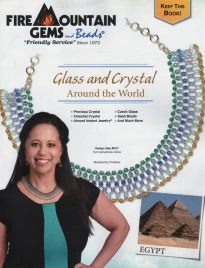
Fire Mountain Gems & Beads
Jewelry design is a sophisticated craft that relies heavily on the quality and variety of components available to the artisan. Having access to a vast inventory of beads, gemstones, and findings allows creators to transform abstract concepts into tangible art. Professional designers often seek out reliable sources that offer both traditional staples and innovative new materials to keep their collections fresh and competitive. The availability of high-grade supplies ensures that finished pieces are not only aesthetically pleasing but also durable enough for daily wear.
Aspiring makers and seasoned professionals alike benefit from a marketplace that prioritizes diversity in its product offerings. From the intricate precision of Japanese seed beads to the natural elegance of semi-precious gemstones, the right components serve as the foundation for successful jewelry projects. Beyond providing materials, a truly comprehensive supplier acts as a resource for inspiration and technical knowledge, helping designers expand their skill sets and experiment with new techniques. This holistic approach to supply supports the growth of the jewelry-making community at every level.
Elevating Jewelry Design with Professional Grade Components
The pursuit of excellence in jewelry making begins with the selection of premium materials. When an artist chooses high-quality components, they are investing in the longevity and reputation of their work. Professional-grade supplies offer consistency in color, shape, and finish, which is essential for creating cohesive collections. Whether working on a simple pair of earrings or a complex multi-strand necklace, the integrity of each individual bead and finding contributes to the overall success of the design. This focus on quality is what separates hobbyist projects from professional-marketable jewelry.
Fire Mountain Gems & Beads has established itself as a primary destination for those seeking an extensive range of jewelry-making supplies. The inventory spans across numerous categories, ensuring that every niche of the craft is well-represented. For those who specialize in beadweaving, the selection of cylinder beads and round seed beads provides the necessary precision for detailed patterns. Meanwhile, metalworkers can find an array of sheet metal, wire, and soldering supplies to facilitate their structural designs. The breadth of the catalog ensures that designers do not have to compromise on their creative vision due to a lack of specific components.
The Strategic Importance of High-Quality Findings
While beads and focal pieces often receive the most attention, the findings are the unsung heroes of jewelry design. Findings include the functional elements such as clasps, jump rings, ear wires, and headpins that hold a piece together. Using subpar findings can lead to structural failure, which diminishes the value of the jewelry and can lead to dissatisfied customers. Professional designers prioritize sterling silver, gold-filled, and high-quality base metal findings to ensure that their work remains secure and irritation-free for the wearer.
Selecting the right clasp, for instance, is both a functional and aesthetic decision. A heavy gemstone necklace requires a sturdy toggle or a high-strength lobster claw clasp to support its weight. Conversely, a delicate silk-strung pearl necklace might benefit from a refined filigree box clasp. By offering a wide variety of these essential components, a supplier enables designers to match the hardware to the specific needs and style of the piece. This attention to detail is a hallmark of professional craftsmanship.
- Lobster Claws: Ideal for security and ease of use in everyday bracelets and necklaces.
- Toggle Clasps: Provides a decorative element while being easy to manipulate for those with limited dexterity.
- Magnetic Clasps: Perfect for lightweight designs where a seamless look is desired.
- Ear Wires: Available in various styles like french hooks, leverbacks, and posts to suit different design aesthetics.
- Crimp Beads: Essential for securing professional-grade beading wire in strung designs.
Gemstones and the Beauty of Natural Variations
Natural gemstones bring a unique character to jewelry that synthetic materials cannot replicate. Each stone carries its own distinct patterns, inclusions, and color variations, making every piece of jewelry one-of-a-kind. Artisans often seek out specific cuts and finishes, such as faceted rounds, smooth rondelles, or organic nuggets, to achieve different visual effects. The availability of diverse gemstone types, from common quartz to rarer stones like larimar or tanzanite, allows for a wide range of price points and styles within a designer’s portfolio.
Understanding the properties of different gemstones is also vital for the designer. Some stones are harder and more durable, making them suitable for rings and bracelets that may experience more impact. Others are softer or more porous and require specific care or settings to protect them. A knowledgeable supplier provides detailed information about these properties, helping designers make informed choices that benefit the end-user. This educational aspect of material sourcing is invaluable for maintaining high standards in the jewelry industry.
Precision Tools for Advanced Craftsmanship
The right tools are just as important as the materials themselves. Professional jewelry making requires a variety of specialized equipment to achieve clean, polished results. Pliers are perhaps the most essential tool in any jeweler’s kit. Chain-nose, round-nose, and flat-nose pliers each serve specific purposes, from opening jump rings to creating perfect wire loops. High-quality tools are designed with ergonomics in mind, reducing hand fatigue during long hours of work and providing better control over the materials.
Beyond basic hand tools, many designers utilize more advanced equipment to expand their capabilities. Bead looms allow for the creation of intricate woven patterns, while metal stamping tools enable the personalization of jewelry with names, dates, or decorative motifs. For those working with precious metal clay or traditional metal smithing, kilns and torches are necessary for transforming raw materials into finished metal pieces. Investing in professional-grade tools is a clear sign of a commitment to the craft and significantly improves the efficiency and quality of the production process.
- Side Cutters: Used for flush cutting wire to ensure there are no sharp edges.
- Crimping Pliers: Specifically designed to fold crimp beads securely without damaging the wire.
- Beading Needles: Fine needles required for passing through small seed bead holes multiple times.
- Work Mats: Soft surfaces that prevent beads from rolling away and provide a comfortable workspace.
- Calipers: Essential for measuring bead sizes and wire gauges with extreme accuracy.
Expanding Skills through Educational Resources
The world of jewelry making is constantly evolving, with new techniques and trends emerging regularly. To stay relevant, designers must continuously learn and adapt. Educational resources, such as video tutorials, step-by-step project guides, and technical articles, are essential for skill development. These resources can cover a wide range of topics, from basic stringing and knotting to complex wire wrapping and bead embroidery. By providing these learning opportunities, a supplier helps foster a more knowledgeable and capable community of makers.
Learning how to properly use a new tool or master a difficult stitch can open up entirely new design possibilities. For example, understanding the nuances of right-angle weave versus peyote stitch allows a beadweaver to create different textures and shapes in their work. Similarly, learning the chemical properties of different patinas can help a metal artist achieve unique aged effects on their copper or silver pieces. This commitment to education ensures that the jewelry-making craft remains vibrant and that designers have the support they need to reach their full creative potential.
Sustainability and Ethical Sourcing in the Jewelry Industry
In the modern market, consumers are increasingly interested in the origins of the products they purchase. This shift has led to a greater emphasis on ethical sourcing and sustainability within the jewelry industry. Responsible suppliers work to ensure that their gemstones and metals are obtained through practices that are environmentally conscious and socially responsible. This includes sourcing from mines that follow fair labor practices and utilizing recycled metals whenever possible.
For the jewelry designer, using ethically sourced materials is a powerful selling point. It allows them to tell a story about their work that resonates with conscious consumers. By partnering with suppliers who prioritize these values, designers can build brands that are not only beautiful but also aligned with modern ethical standards. This transparency in the supply chain builds trust between the supplier, the designer, and the final customer, creating a more sustainable future for the entire industry.
The comprehensive nature of the inventory at Fire Mountain Gems & Beads makes it a vital partner for anyone serious about jewelry design. By combining an unparalleled selection of beads and findings with professional tools and extensive educational content, they provide everything needed to succeed in this creative field. Whether you are crafting a single custom piece or producing a full line for retail, the quality of your supplies will always be reflected in the final result. For those ready to explore the highest standards in the industry, the best place to start is with Fire Mountain Gems & Beads.