
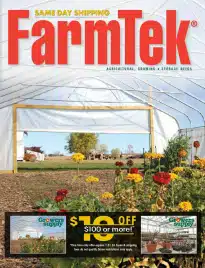
FarmTek Catalog
Agricultural success depends on having the right tools for the job. From small-scale market gardens to large industrial operations, the availability of specialized equipment determines the efficiency of daily tasks. The FarmTek Catalog serves as a comprehensive resource for those seeking to improve their infrastructure. It offers a wide array of solutions designed to meet the rigorous demands of modern farming, ensuring that growers can maintain productivity throughout the seasons. Accessing high-quality materials allows for better management of resources and improved crop yields.
Quality equipment reduces the need for frequent repairs and replacements, which is vital for maintaining a profitable operation. The diverse range of products available covers everything from greenhouse structures to livestock housing. By providing detailed specifications and a variety of options, the catalog helps farmers make informed decisions about their investments. Whether the goal is to extend the growing season or provide better conditions for animals, the right supplies are essential. This resource simplifies the procurement process by offering many different categories of agricultural goods in one place.
Maximizing Growth Potential Through Greenhouse Technology
Greenhouse management requires precise control over environmental factors. The catalog features numerous structures that provide optimal light transmission and temperature regulation. For instance, high tunnels and cold frames allow growers to start planting earlier in the spring and continue harvesting later into the fall. These structures are built to withstand various weather conditions, providing a stable environment for sensitive plants. Utilizing heavy-duty polyethylene film and polycarbonate panels ensures durability and long-term performance.
Innovative Hydroponic and Aquaponic Systems
Modern agriculture is increasingly turning toward soil-less growing methods. The catalog includes advanced hydroponic systems that allow for year-round production in controlled environments. These systems, such as nutrient film technique or Dutch buckets, optimize water usage and nutrient delivery. This leads to faster growth rates and higher yields compared to traditional soil-based farming. For those interested in integrated systems, aquaponic setups combine fish farming with plant cultivation, creating a sustainable ecosystem that benefits both components.
- Vertical growing towers for space-saving production.
- Aeroponic systems for maximum oxygenation of roots.
- Nutrient reservoirs and delivery pumps.
- Automated pH and EC monitoring tools.
Enhancing Livestock Welfare and Efficiency
Providing a healthy environment for livestock is a top priority for any producer. The catalog offers a variety of products aimed at improving animal comfort and productivity. High-volume, low-speed fans help maintain proper air circulation, reducing heat stress during the summer months. Specialized flooring and bedding solutions promote hygiene and prevent injuries. By investing in quality housing and maintenance equipment, farmers can ensure their animals remain healthy and productive throughout their lives.
Fodder Systems and Feed Management
Hydroponic fodder systems are gaining popularity as a way to provide fresh, nutrient-rich feed to livestock regardless of the weather. These systems can produce large quantities of green feed in a small footprint, reducing the reliance on expensive hay or grain. The catalog provides all the components necessary to set up a fodder system, including trays, racking, and irrigation kits. Proper feed management is further supported by durable troughs, automatic waterers, and storage bins that keep feed fresh and protected from pests.
Durable Storage and Operational Structures
Beyond growing and animal care, agricultural operations require significant space for storage and maintenance. Tension fabric buildings offer a versatile solution for equipment storage, hay housing, or even workspace. These structures are often easier and faster to install than traditional wooden or metal buildings. They provide ample natural light, reducing the need for artificial lighting during the day. The catalog details various sizes and configurations to suit specific operational needs, from small sheds to massive warehouses.
Climate Control and Energy Efficiency
Maintaining the correct temperature and humidity levels is critical in both greenhouses and livestock barns. The catalog features a wide selection of heaters, evaporative cooling systems, and ventilation controllers. Energy-efficient options help reduce operational costs while maintaining a consistent environment. Automated controllers allow for precise adjustments based on real-time data, ensuring that conditions remain within the ideal range for plants or animals. This level of control is essential for preventing disease and maximizing growth.
- Radiant heaters for targeted warmth.
- Exhaust fans with shutters for improved air exchange.
- Misting systems for rapid cooling.
- Insulated curtains for heat retention.
The success of any agricultural venture is tied to the quality of the tools and structures used in the process. The FarmTek Catalog provides a robust selection of equipment that caters to the diverse needs of the farming community. By focusing on durability, efficiency, and innovation, these products help growers and producers overcome the challenges of the modern agricultural industry. Investing in the right supplies today can lead to significant improvements in productivity and sustainability for years to come. For those looking to upgrade their current setup or start a new project, exploring the options available is a logical first step toward achieving long-term goals. The variety of items ensures that every specific requirement, from irrigation to structural support, is met with a high-quality solution. To explore the full range of available agricultural equipment and supplies, visit the FarmTek Catalog.