
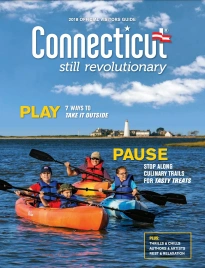
Connecticut Vacation Guide
Connecticut offers a unique blend of New England charm and sophisticated modern living, making it a premier destination for travelers seeking variety. From the rocky shores of the Atlantic coastline to the rolling peaks of the northwest highlands, the state provides an accessible escape for families, couples, and solo explorers. Visitors often find that the compact size of the Constitution State allows for a rich itinerary that covers maritime history, world-class art, and breathtaking natural scenery all within a single trip.
Planning a visit to this region involves choosing between quiet rural retreats and vibrant urban centers. The southern coast is known for its maritime heritage and sandy beaches, while the interior portions of the state boast dense forests and historic colonial towns. Whether the goal is to enjoy fresh seafood along the sound or to explore the academic halls of prestigious universities, the local atmosphere remains welcoming and refined. This guide provides a comprehensive look at the regions and activities that define the local travel experience.
Coastal Charm and Inland Adventures
The geographic diversity of the area serves as its greatest asset. In the morning, one might be walking through a dense hemlock forest in the hills, and by afternoon, enjoying the salt air of a coastal village. This proximity allows for a versatile vacation style where travelers do not have to choose between the mountains and the sea. The state is divided into distinct regions, each offering a different pace of life and a unique set of attractions that cater to diverse interests. The shoreline is punctuated by historic lighthouses and bustling marinas, while the northern counties provide a more pastoral setting with farm-to-table dining and antique shopping.
Travelers often start their journey along the Interstate 95 corridor, which connects the major coastal cities. However, moving away from the main highways reveals the true character of the state. Winding roads lead to town greens that look much as they did centuries ago, complete with white-steeple churches and stone walls. These areas are perfect for those who appreciate architecture and the slow preservation of history. Meanwhile, the more populated areas provide a different kind of energy, with theater districts, shopping hubs, and a culinary scene that rivals much larger metropolitan areas across the country.
Maritime Heritage at the Mystic Seaport Museum
One of the most significant cultural landmarks is the Mystic Seaport Museum, located in the southeastern corner of the state. This destination is not just a collection of artifacts but a living history museum that recreates a 19th-century seafaring village. Visitors can walk the decks of the Charles W. Morgan, the last wooden whaling ship in existence, and observe skilled craftspeople practicing traditional trades like blacksmithing and coopering. The museum provides an educational look at how the sea shaped the economy and culture of the early United States.
Beyond the museum, the town of Mystic itself is a major draw. The drawbridge in the center of town is a focal point where people gather to watch boats pass through the narrow channel. The surrounding streets are lined with independent boutiques and restaurants that serve locally caught lobster and scallops. For families, the nearby aquarium offers a chance to see beluga whales and African penguins, making this area a complete destination for a multi-day stay. The balance of education and recreation makes it a staple for any regional itinerary.
Exploring the Litchfield Hills
The northwestern corner, known as the Litchfield Hills, offers a stark contrast to the coastal regions. This area is characterized by the Berkshire Mountains’ foothills and is a favorite for those who enjoy outdoor activities. Hiking trails, such as those found in Kent Falls State Park, lead to dramatic waterfalls and panoramic views of the Housatonic River Valley. During the autumn months, this region becomes a destination for foliage viewing, as the maple and oak trees turn brilliant shades of red and gold.
The towns in this area, such as Litchfield and Washington, are known for their sophisticated yet understated elegance. Many visitors come here to browse high-end antique shops or to stay in historic inns that offer a quiet respite from city life. The area is also home to several vineyards and craft breweries, allowing for a relaxed pace of exploration. The rural landscape is dotted with covered bridges and small farms, providing a picturesque backdrop for photography and nature walks. It is a place where the passage of time seems to slow down, encouraging a deeper connection with the surroundings.
The Arts and Literature in Hartford
As the capital city, Hartford serves as a hub for literature and the arts. It was once the home of some of America’s most famous authors. The Mark Twain House & Museum is a stunning example of Victorian Gothic architecture where Samuel Clemens wrote his most famous works. Guided tours provide insight into the daily life of the author and the social climate of the late 19th century. Right next door is the home of Harriet Beecher Stowe, providing a powerful look at the abolitionist movement and the influence of literature on social change.
In addition to literary history, the city boasts the Wadsworth Atheneum Museum of Art, the oldest continuously operating public art museum in the country. Its collection spans from ancient Egyptian artifacts to contemporary masterpieces. The city also features expansive parks designed by Frederick Law Olmsted, providing green spaces for public enjoyment. Hartford’s blend of historical significance and cultural institutions makes it a necessary stop for those who want to understand the intellectual heritage of the region.
Culinary Excellence and Regional Flavors
No visit is complete without experiencing the local food scene, which is famous for its specific regional styles. New Haven is globally recognized for its unique take on pizza, locally referred to as apizza. New Haven-style pizza is characterized by its thin, charred crust and coal-fired preparation. Establishments that have been running for nearly a century continue to draw long lines of locals and tourists alike, all eager to try the iconic white clam pie or a classic tomato pie. This culinary tradition is a point of immense local pride and a highlight for food enthusiasts.
Beyond pizza, the state’s proximity to the Long Island Sound ensures a steady supply of fresh seafood. The hot buttered lobster roll is a local invention that remains a summer staple at shoreline shacks and upscale dining rooms. In the river valleys, the focus shifts to agriculture, with many restaurants sourcing ingredients directly from nearby farms. This commitment to fresh, local ingredients is evident in the booming farmers’ markets and the seasonal menus found in every county. Whether it is a quick bite at a roadside stand or a multi-course meal in a renovated mill, the quality of the food is consistently high.
Coastal Living in Fairfield County
Fairfield County offers a mix of suburban comfort and coastal luxury. The towns along the shore, such as Westport and Greenwich, feature beautiful public beaches and upscale shopping districts. The Maritime Aquarium in Norwalk is a major attraction, focusing on the marine life of the Long Island Sound and providing interactive exhibits for all ages. This region is also a gateway for those traveling from New York City, providing a quick transition from the urban bustle to a more relaxed coastal environment.
For a unique perspective on the coast, a boat tour of the Thimble Islands in Branford is highly recommended. These small pink granite islands are home to private summer cottages and diverse bird populations. The history of the islands includes tales of Captain Kidd and high-society summer retreats. Back on land, Gillette Castle State Park offers a look at a quirky stone mansion built by actor William Gillette. The castle’s unique interior design and the surrounding trails overlooking the Connecticut River provide a memorable experience for visitors of all ages.
Seasonal Highlights and Travel Planning
The appeal of the region changes with the seasons, offering something different throughout the year. Winter brings festive holiday markets and opportunities for skiing or snowshoeing in the northern hills. Spring is marked by the blooming of mountain laurels and the opening of seasonal seafood stands. Summer is the peak time for beach activities and outdoor concerts, while autumn remains the most popular season for its world-renowned foliage and harvest festivals.
- Visit the historic campus of Yale University in New Haven for a tour of its stunning architecture and rare book libraries.
- Take a scenic drive along Route 7 through the Housatonic Valley for some of the best views in New England.
- Explore the various state parks that offer free access to residents and affordable rates for visitors.
- Attend a performance at the Goodspeed Opera House, a beautiful theater located right on the banks of the river.
- Shop at the local orchards during the late summer and fall for fresh apples, peaches, and pumpkins.
When organizing a trip, it is helpful to consider the various transportation options available. While a car is the most convenient way to reach the rural areas, the rail system provides excellent service along the coast and into the interior valleys. This accessibility makes it easy to combine a city stay with a country excursion. By focusing on the unique character of each town and the natural beauty of the landscape, travelers can create a personalized experience that highlights the best of the region. For more detailed information on planning your next trip, consult the Connecticut Vacation Guide.