
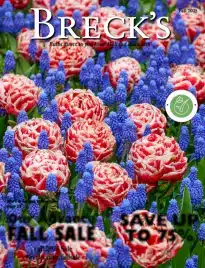
Breck’s Catalog
The arrival of a seasonal gardening publication often marks a turning point for enthusiasts looking to transform their outdoor spaces. Among these resources, the Breck’s Catalog stands out as a definitive guide for those seeking premium Dutch bulbs and hardy perennials. This publication serves as a bridge between the historic bulb fields of Holland and the private gardens of North America, offering a visual and educational roadmap for creating vibrant landscapes. By focusing on high-quality photography and detailed botanical information, the catalog assists gardeners in making informed decisions about which varieties will thrive in their specific local climates.
Beyond its function as a simple product list, the catalog provides a wealth of inspiration for garden design and layout. It categorizes plants by bloom time, height, and sunlight requirements, allowing for the creation of continuous color throughout the growing season. Whether a gardener is looking for early spring crocuses or mid-summer lilies, the structured layout of the catalog simplifies the planning process. The emphasis on quality and variety ensures that even novice planters can find success by following the expert guidance provided within these pages, making the dream of a professional-looking garden an achievable reality for everyone.
Cultivating a Masterpiece: The Art of Selection in the Breck’s Catalog
Selecting the right plants for a garden involves more than just picking favorite colors. It requires an understanding of how different species interact with their environment and with each other. The Breck’s Catalog excels in providing this context, offering insights into the growth habits and care requirements of each bulb and perennial. This level of detail is essential for gardeners who want to ensure their investments result in healthy, long-lasting blooms. The catalog often highlights unique cultivars that are not commonly found in local big-box stores, giving homeowners the opportunity to grow rare and striking flowers that set their property apart.
Planning for a Successive Bloom Cycle
One of the most valuable aspects of using a comprehensive gardening catalog is the ability to plan for a successive bloom cycle. This strategy involves selecting plants that flower at different times, ensuring that as one species fades, another begins to show its colors. The Breck’s Catalog identifies early, mid, and late-season bloomers within each category. For instance, by choosing a mix of early-flowering Fosteriana tulips and late-blooming Double Late tulips, a gardener can enjoy vibrant tulip displays for several weeks instead of just a few days. This careful timing creates a dynamic landscape that evolves through the months.
Succession planting also applies to the transition between spring and summer. As spring bulbs like daffodils and hyacinths complete their life cycle, perennials such as hostas or daylilies can grow in to cover the receding foliage. The catalog provides the necessary data on plant height and spread to help gardeners layer their beds effectively. Taller plants can be placed in the back of a border, while shorter, ground-covering varieties occupy the front. This tiered approach adds depth and visual interest to any garden bed, regardless of its size.
The Importance of Hardiness Zones and Soil Health
Successful gardening is heavily dependent on selecting plants that are compatible with the local environment. The Breck’s Catalog includes detailed information on USDA hardiness zones, which is a critical factor for the survival of perennials and bulbs. By matching the plant’s requirements with the local climate, gardeners avoid the frustration of losing plants to extreme cold or heat. Additionally, the catalog often provides advice on soil preparation, emphasizing the need for well-draining soil to prevent bulb rot. Understanding these technical aspects is just as important as the aesthetic choices made during the planning phase.
Soil health can be improved through the addition of organic matter or specific fertilizers recommended for bulb growth. The catalog frequently suggests supplemental products that provide the nutrients necessary for strong root development and vibrant flower production. By following these recommendations, gardeners can create an environment where their plants not only survive but truly flourish. This holistic approach to gardening, combining the right plant selection with proper site preparation, is a recurring theme throughout the publication.
Strategies for Planting Success and Long-Term Care
Once the selection process is complete, the focus shifts to the physical act of planting and the subsequent care of the garden. The Breck’s Catalog serves as a reference guide during this phase, offering clear instructions on planting depths and spacing. Proper installation is the foundation of a healthy garden, and these guidelines help prevent common mistakes such as planting bulbs too shallow or overcrowding perennials. When bulbs are planted at the correct depth, they are better protected from temperature fluctuations and pests, leading to more reliable performance year after year.
- Site Selection: Choose a location that receives the appropriate amount of sunlight as specified in the catalog descriptions.
- Soil Preparation: Ensure the ground is loose and enriched with compost or bulb food to support initial growth.
- Planting Depth: Follow the rule of thumb that bulbs should be planted at a depth three times their height.
- Watering: Provide adequate moisture immediately after planting to settle the soil around the bulbs and trigger root growth.
- Mulching: Apply a layer of mulch to help retain moisture and regulate soil temperature during the winter months.
Long-term care involves monitoring the garden for pests and diseases, as well as performing routine maintenance like deadheading spent blooms. The catalog often includes tips on how to handle these challenges, recommending natural or chemical solutions where appropriate. For perennials, division may be necessary every few years to maintain vigor and prevent overcrowding. The guidance found in the catalog helps gardeners recognize when it is time to intervene, ensuring the garden remains healthy and productive for many seasons to come.
Enhancing Curb Appeal with Unique Bulb Varieties
A well-maintained garden significantly contributes to a home’s curb appeal and overall value. The Breck’s Catalog offers a wide array of specialty bulbs that can create a dramatic first impression. From the architectural height of Alliums to the delicate beauty of Fritillaria, these unique additions provide focal points that draw the eye. Using these varieties allows homeowners to express their personal style through their landscaping. The catalog’s focus on premium, oversized bulbs often results in larger and more numerous flowers compared to standard retail options, providing a more impactful display.
- Giant Alliums: These globe-shaped flowers add height and a modern aesthetic to late spring borders.
- Parrot Tulips: Known for their ruffled, multi-colored petals, these tulips offer a touch of elegance and drama.
- Fragrant Hyacinths: Ideal for planting near walkways or entryways where their scent can be appreciated by visitors.
- Hardy Lilies: These provide bold colors and impressive scale during the peak of summer.
- Naturalizing Daffodils: Perfect for creating a meadow-like appearance as they multiply and spread over time.
In addition to individual bulbs, the catalog often features pre-planned collections or mixtures. These are professionally designed to ensure color harmony and compatible growth habits. For those who may feel overwhelmed by the vast number of choices, these collections offer a simplified way to achieve a coordinated look. They take the guesswork out of garden design, providing a balanced mix of colors and textures that work together seamlessly. This accessibility makes high-end garden design available to everyone, regardless of their level of expertise.
The Role of the Catalog in Sustainable Gardening
As more people look toward sustainable and eco-friendly gardening practices, the information provided in the Breck’s Catalog becomes even more relevant. Many of the featured plants are selected for their ability to attract pollinators like bees, butterflies, and hummingbirds. By including these varieties in a landscape, gardeners contribute to the local ecosystem and support biodiversity. The catalog often highlights which plants are particularly attractive to beneficial insects, helping users create a garden that is both beautiful and environmentally responsible.
Furthermore, the emphasis on perennial plants promotes a more sustainable approach to gardening. Unlike annuals that must be replaced every year, perennials return season after season, reducing the need for constant replanting and the waste associated with it. The catalog’s focus on hardy, long-lived varieties encourages a long-term perspective on garden development. This not only saves time and money but also allows the garden to become a permanent and evolving part of the home’s environment. By following the advice found in the Breck’s Catalog, individuals can cultivate a space that brings joy and beauty for years to come.