
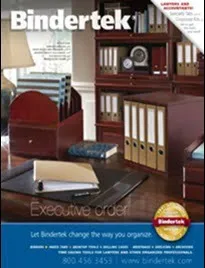
Bindertek Catalog
Maintaining a structured and efficient workspace is a fundamental requirement for success in any high-stakes professional environment. The pursuit of order goes beyond simple aesthetics; it is about creating a system that supports clarity of thought and rapid access to critical information. For legal professionals, medical practitioners, and corporate executives, the ability to manage vast amounts of paperwork with precision is a competitive advantage. The Bindertek Catalog serves as a comprehensive resource for those seeking to transform chaotic stacks of documents into a streamlined, accessible archive. By focusing on the intersection of durability and functional design, these organizational tools provide a foundation for long-term productivity and professional excellence.
The transition from a disorganized office to a systematic filing environment requires more than just standard folders; it necessitates specialized equipment designed for heavy use and specific workflows. When a workspace is optimized with high-quality binders and indexing systems, the cognitive load associated with searching for misplaced documents is significantly reduced. This allows professionals to dedicate more energy to their core tasks rather than administrative friction. The Bindertek Catalog offers a diverse range of solutions tailored to meet these demands, ensuring that every project, case file, or medical record is housed in a manner that reflects its importance and ensures its preservation over time.
The Engineering of Professional Document Management
At the heart of any effective filing system is the binder itself. While standard office supply store options often suffer from ring misalignment and flimsy covers, the professional-grade options found in the Bindertek Catalog are engineered for longevity. These binders typically feature a European-style lever-arch mechanism, which provides a stronger grip on pages and allows for easier navigation through thick stacks of paper. This mechanism is designed to stay aligned even when the binder is filled to its maximum capacity, preventing the common frustration of pages snagging or tearing when being turned. The mechanical integrity of these tools ensures that documents remain secure during transport and frequent reference.
The physical construction of these binders also prioritizes protection. Many models utilize hardbound covers made from high-quality linen or heavy-duty plastic, which resist warping and protect the contents from environmental factors like dust and moisture. Steel-reinforced bottom edges are a common feature, preventing the binders from scuffing or collapsing when stored vertically on shelves. This attention to detail in the manufacturing process means that a single binder can last for decades, providing a much higher return on investment than cheaper alternatives. By investing in archival-grade materials, professionals ensure that their records remain intact and professional-looking for the duration of their lifecycle.
Optimizing Accessibility with Lever-Arch Technology
The lever-arch system is a hallmark of efficient document management. Unlike traditional three-ring binders that require manual pulling of the rings, the lever-arch system uses a simple metal lever to open and close the rings with minimal effort. This design is particularly beneficial for those who must frequently add or remove documents from a file. Furthermore, the inclusion of a compressor bar keeps the pages flat and secure, preventing them from sliding around or becoming crumpled. This level of precision is essential for maintaining the chronological or thematic order of sensitive documents, ensuring that the integrity of the filing system is never compromised.
Precision Indexing for Specialized Industries
A binder is only as effective as the indexing system within it. The Bindertek Catalog specializes in index tab sets that cater to the specific needs of various professional sectors. Rather than relying on generic, handwritten tabs, professionals can utilize pre-printed sets that follow industry-standard naming conventions. This level of specialization allows for a standardized filing process across an entire organization, ensuring that any team member can pick up a binder and immediately understand its structure. Whether the goal is to organize a complex litigation file or a comprehensive patient history, specialized tabs provide the roadmap necessary for quick navigation.
- Legal Index Tabs: Organized by pleading, discovery, and correspondence to meet courtroom standards.
- Medical Index Tabs: Categorized by patient history, lab results, and insurance information for clinical efficiency.
- Numeric and Alphabetical Tabs: Essential for large-scale archiving and general office organization.
- Customizable Tab Sets: Allowing for unique project requirements while maintaining a professional appearance.
The utility of these tabs is enhanced by their durability. Often reinforced with Mylar or other heavy-duty coatings, these tabs are designed to withstand thousands of page turns without fraying or becoming illegible. When combined with a table of contents page, these indexing tools transform a simple binder into a powerful reference volume. This systematic approach to categorization is a key component of workflow efficiency, allowing users to jump directly to the information they need without scanning through hundreds of irrelevant pages.
The Science of Color Coding in Professional Filing
Color plays a vital role in visual organization. The Bindertek Catalog offers binders and tabs in a wide array of colors, enabling the implementation of a color-coded filing system. For example, a legal firm might use red binders for litigation, blue for corporate filings, and green for estate planning. This visual shorthand allows staff to identify the nature of a file from across the room, saving time and reducing the likelihood of filing errors. When high-quality color options are used consistently, the entire office benefits from a more intuitive and responsive document management system.
Enhancing Functionality with Modular Accessories
Beyond binders and tabs, the Bindertek Catalog includes a variety of accessories designed to enhance the utility of any filing system. Sheet protectors, for instance, are essential for preserving original documents that cannot be hole-punched. These protectors are often made from non-stick, acid-free materials that prevent ink transfer, ensuring that documents remain in pristine condition for years. Additionally, specialized pockets for business cards, CDs, or extra-large documents can be integrated into the binders, allowing for a multifaceted approach to information storage within a single volume.
Spine labels and label holders are another critical accessory. A professional filing system requires clear, legible labeling on the exterior of the binder to ensure easy identification on a shelf. The catalog provides various labeling solutions, including printable inserts that can be customized with software. This ensures that every binder in the library has a uniform, professional look. The ability to easily swap out labels as the contents of a binder change adds a layer of flexibility to the system, making it an adaptable solution for evolving professional needs.
Sustainability and Long-Term Organizational Health
Choosing high-quality organizational tools is also an environmentally conscious decision. In a world where many office supplies are treated as disposable, the durable products found in the Bindertek Catalog are designed to be reused for many years. This reduces the volume of waste generated by an office and lowers the long-term costs associated with replacing broken or worn-out supplies. By prioritizing quality over quantity, professionals contribute to a more sustainable business model while maintaining the highest standards of office organization. The longevity of these tools ensures that the organizational health of a firm is preserved without constant reinvestment in basic supplies.
The integration of professional filing tools into a daily routine fosters a culture of discipline and attention to detail. When the tools of the trade are reliable and well-designed, the work itself becomes more fluid and less prone to error. The comprehensive selection available ensures that every professional can find the exact configuration of binders, tabs, and accessories needed to master their specific document management challenges. For those ready to elevate their office systems, the definitive resource for high-quality organization is the Bindertek Catalog.